|
|
|||||||||||||||||||||||||||||||||||||||||||||||||||||||||||||||||||||||||||||||||||||||||||||||||||||||||||||||||||||||||||||||||||||||||||||||||||||||||||||||||||||||||||||||||||||||||||||||||||||||||||||||||||||||||||||||||||||||||||||||||||||||||||||||||||||||||||||||||||||||||||||||||||||||||||||||||||||||||||||||||||||||||||||||||||||||||||||||||||||||||||||||||||||||||||||||||||||||||||||||||||||||||||||||||||||||||||||||||||||||||||||||||||||||||||||||||||||||||||||||||||||||||||||||||||||||||||||||||||||||||||||||||||||||||||||||||||||||||||||||||||||||||||||||||||||||||||||||||||||||||||||||||||||||||||||||||||||||||||||||||||||||||||||||||||||||||||||||||||||||||||||||||||||
|
Home | Trip Reports | Recent Sightings | Blog | Photographs | Phonescoping | Sonograms | Sketches | Patches | Butterflies & Dragonflies
|
|||||||||||||||||||||||||||||||||||||||||||||||||||||||||||||||||||||||||||||||||||||||||||||||||||||||||||||||||||||||||||||||||||||||||||||||||||||||||||||||||||||||||||||||||||||||||||||||||||||||||||||||||||||||||||||||||||||||||||||||||||||||||||||||||||||||||||||||||||||||||||||||||||||||||||||||||||||||||||||||||||||||||||||||||||||||||||||||||||||||||||||||||||||||||||||||||||||||||||||||||||||||||||||||||||||||||||||||||||||||||||||||||||||||||||||||||||||||||||||||||||||||||||||||||||||||||||||||||||||||||||||||||||||||||||||||||||||||||||||||||||||||||||||||||||||||||||||||||||||||||||||||||||||||||||||||||||||||||||||||||||||||||||||||||||||||||||||||||||||||||||||||||||||
|
Ayrshire, Scotland
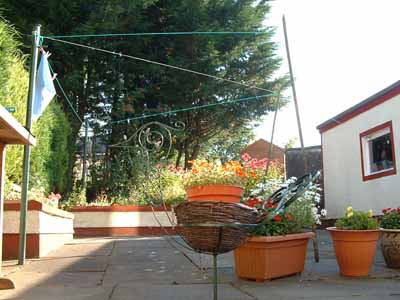
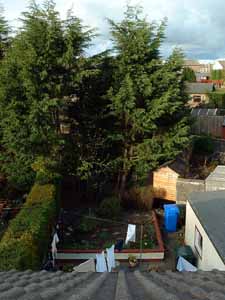
Since 1986, 45 species of birds have been recorded within my parents' suburban garden in Kilmarnock (Ayrshire, Scotland). Since I left in 2000, very little recording has been carried out. Unfortunately I never saw the 41st (which of course had to be the highlight!): a Rose-coloured Starling (Sturnus roseus) found by my dad lingered for only a few minutes on the morning of 7 September 2002. It was first sighted on the garage roof with a gang of its vulgar relatives and then dropped down on to the patio below for some food scraps before flying off. My parents were the only observers as I was thousands of miles away in Peru watching Andean Cock-of-the Rock (Rupicola peruvianus) that day. All 45 species have occurred within an area encompassing the boundaries of the garden and the airspace up to the level of the highest part of the roof. A further 21 species have been sighted flying over and therefore excluded from the |defined list|.
Confirmed breeding birds have been Blue Tit, Starling, House Sparrow, Blackbird and Dunnock. Within the immediate area in Spring, Chaffinch, Greenfinch, Song Thrush and Collared Dove can be seen and heard singing and probably breed. Garden rarities have been Waxwing, Brambling, Redwing, Grey Wagtail and Rose-coloured Starling - all involving just one record each. Some species, such as the Song Thrush, are far less regular now while others, such as the Magpie (from the early 1990s) and Collared Dove (the late 1990s), are increasingly common in the area. Siskin and Coal Tit, in particular, have been very periodic in abundance with no records in some years.
The 23 other fly-overs sighted from the garden have been; Cormorant, Grey Heron, Whooper Swan, Greylag Goose, Pink-footed Goose, Mallard, Pintail, Tufted Duck, Goldeneye, Goosander, Common Buzzard, Peregrine, Kestrel, Oystercatcher, Golden Plover, Lapwing, Redshank, Curlew, Snipe, Skylark, Meadow Pipit, Fieldfare, and Raven.
I often wonder what the next new bird will be. Some relatively common birds have never put in an appearance, e.g. Long-tailed Tit*, and this may be due to the fact that the area is perhaps not so well connected to the major nearby woodland habitats. Given that Nuthatches have colonised Ayrshire over the past 25 years, it hopefully won't be too long before they make an appearance in the garden.
1 First ever Great Spotted Woodpecker on 13/12/21 (ADS). 2 First ever Bullfinch on 03/12/23 (ADS). *eventually recorded in December 2008.
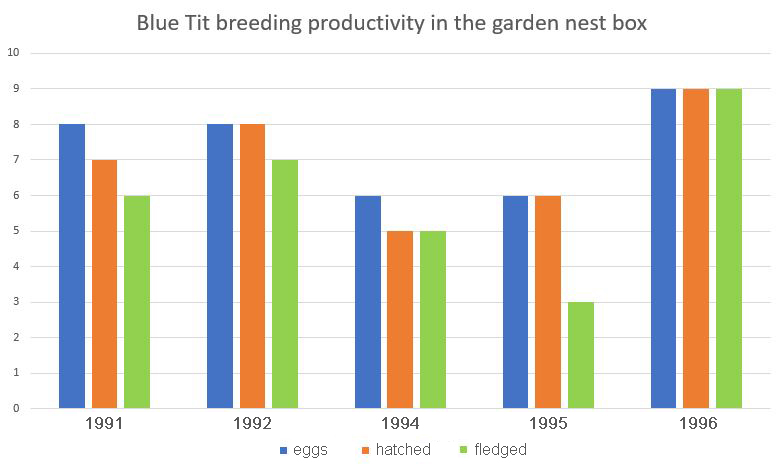
Table of Blue Tit breeding productivity in the garden nest box
Mean clutch size: 7.4 eggs Mean hatch size (rate): 7.0 eggs (94.6%) Mean fledgling size (rate): 6.0 birds (85.7%) Mean incubation period: 21.0 days Mean fledging period: 18.6 days
A-Z Index | Search this Website | Links | Ayrshire Bird Report | Ayrshire Winter Bird Race | Scarlet Banded-Barbet | Blog Index
|
|||||||||||||||||||||||||||||||||||||||||||||||||||||||||||||||||||||||||||||||||||||||||||||||||||||||||||||||||||||||||||||||||||||||||||||||||||||||||||||||||||||||||||||||||||||||||||||||||||||||||||||||||||||||||||||||||||||||||||||||||||||||||||||||||||||||||||||||||||||||||||||||||||||||||||||||||||||||||||||||||||||||||||||||||||||||||||||||||||||||||||||||||||||||||||||||||||||||||||||||||||||||||||||||||||||||||||||||||||||||||||||||||||||||||||||||||||||||||||||||||||||||||||||||||||||||||||||||||||||||||||||||||||||||||||||||||||||||||||||||||||||||||||||||||||||||||||||||||||||||||||||||||||||||||||||||||||||||||||||||||||||||||||||||||||||||||||||||||||||||||||||||||||||
|
© Fraser Simpson · www.fssbirding.org.uk |